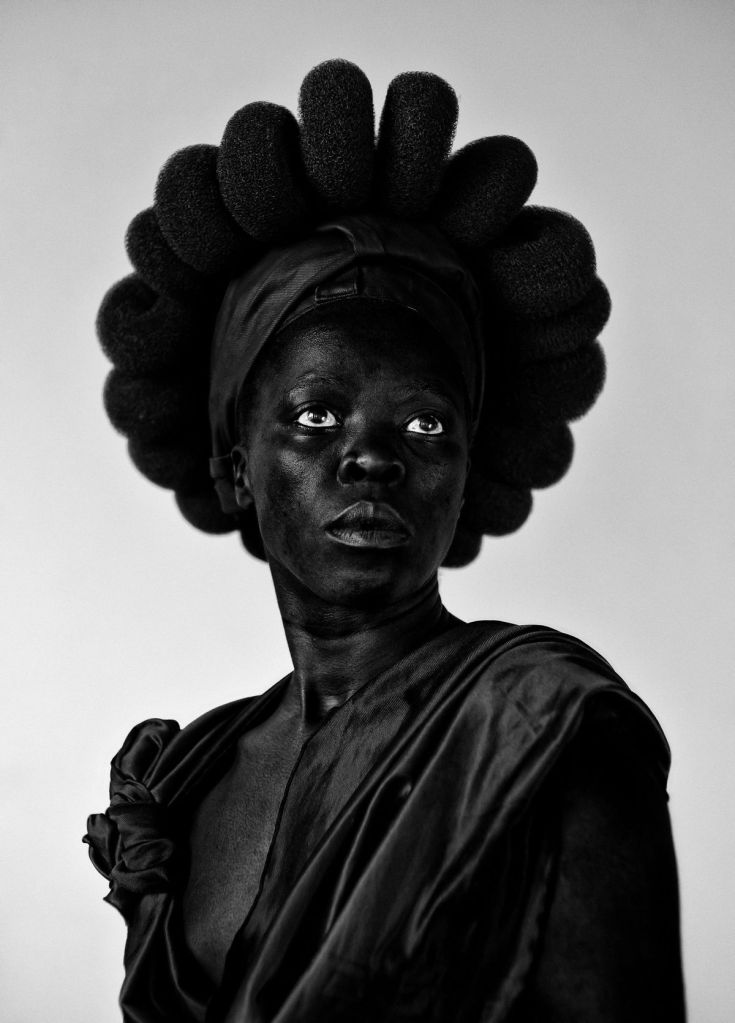
It’s funny how discovery often comes through the people we encounter. Chi (@markingsohahomee), a Lagos-based creative and cultural curator, first reached out to me after seeing one of my early interviews on Culture-Anthology. His work blends music, fashion, and diasporic culture with a thoughtful, aesthetic eye, and exploring his page led me to a reference to Paul Gilroy’s ,The Black Atlantic. I hadn’t heard of it before, but I looked it up, and the book immediately captured my attention. Through this small digital encounter, I discovered not just a book, but a way of thinking about the Black diaspora that felt both expansive and deeply relevant.
Later, I learned that Chi is part of a duo with @isaacdakin, which was an interesting detail, but the connection that mattered most was that through him I found this work, which has since shaped how I see culture, history, and identity.
What The Black Atlantic Explores
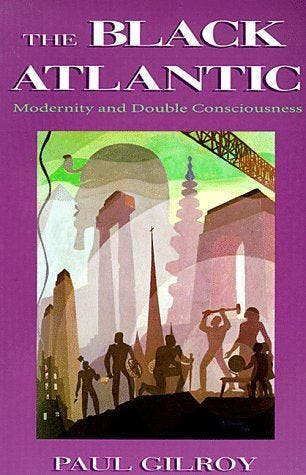
At its core, Gilroy’s The Black Atlantic maps the transnational experience of the African diaspora. He challenges the idea that Black identity can be neatly contained within one nation or ethnic category, instead framing it as something shaped by movement, history, and cultural exchange across continents. As Gilroy writes:
“The specificity of the modern political and cultural formation I want to call the Black Atlantic can be defined, on one level, through this desire to transcend both the structures of the nation state and the constraints of ethnicity and national particularity.” Chapter 1, Page 19
For me, that was striking. Growing up across countries, languages, and cultures, I’ve always felt connected to multiple worlds at once. Gilroy gives language to that experience, showing that identity can be layered, fluid, and deeply interconnected.
Music, Double Consciousness, and Cultural Expression
Gilroy also engages with W.E.B. Du Bois’s concept of “double consciousness,” the internal negotiation of living between multiple cultural worlds. Music becomes a lens through which he examines this duality. Jazz, blues, reggae, and even contemporary hip-hop emerge as vessels for the Black experience, articulating resilience, memory, and identity across time and space. He notes:
“Black music is so often the principal symbol of racial authenticity.” Chapter 3, Page 34.
Reading this made me think about how Black British music, fashion, and art continue to resonate globally, shaping perceptions and influencing culture far beyond their immediate communities. Culture isn’t static—it moves, blends, reinvents itself—and Gilroy shows us why paying attention to these movements matters.
Memory, History, and the Present
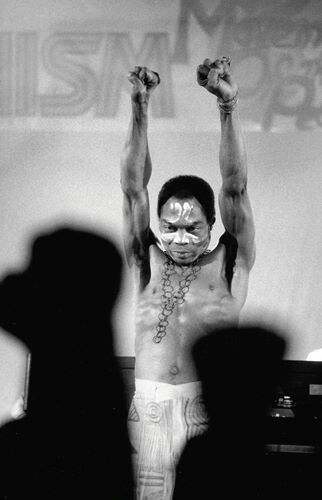
Memory is another cornerstone of Gilroy’s analysis. He emphasizes how the legacies of slavery, colonialism, and displacement continue to shape contemporary Black identities. His phrase “living memory and the slave sublime”Chapter 6, pages 187–223 captures how historical trauma is remembered, memorialized, and expressed creatively.
For me, this highlights the importance of history not as a distant backdrop, but as an active force shaping culture, art, and identity today. It reminded me to consider not just where culture comes from, but how it moves, adapts, and asserts itself in the present.
Culture, Identity, and the Power of Ideas
What makes The Black Atlantic so powerful is the way it celebrates the agency and creativity of the Black diaspora. Gilroy isn’t simply recounting history—he shows how people have actively shaped culture, politics, and ideas across borders. For someone exploring diasporic identity, his work feels like a roadmap: identity is both inherited and lived, culture circulates across time and place, and creative expression becomes a vehicle for understanding, resistance, and influence.
Through this lens, the book also reframed the way I think about my own work. Every piece of music, fashion, or writing I engage with exists in conversation with histories, movements, and ideas far larger than myself. Recognizing these connections makes cultural work feel both personal and collective.
Why It Matters Now
In today’s conversations about representation, cultural appropriation, and visibility, Gilroy’s ideas feel especially urgent. Understanding the transnational flows of Black culture helps us see who gets credit, who is erased, and how cultural narratives are formed. It encourages us to approach culture with curiosity and respect, to honor legacies, and to appreciate the power of ideas that move across borders.
Discovering The Black Atlantic now, through an unexpected thread with Chi, felt timely. It’s a reminder that identity is layered, culture is living, and the histories we engage with are ongoing. It offers clarity, context, and perspective on both the personal and the collective dimensions of Black cultural expression.
A Personal Takeaway
I love that this discovery happened in such a casual, unassuming way: a conversation online, a page I explored, and then a library in Switzerland. Simple, yet significant. The Black Atlantic isn’t just a book about history; it’s a lens for understanding culture, identity, and the circulation of ideas across continents.
Through Chi, I found a work that now feels essential—a book that helps me navigate the complexities of identity, recognize the power of creative expression, and reflect on the interconnectedness of culture in ways that are both personal and profound. It’s a book I’ll return to, again and again, not just for insight, but as a reminder of how deeply connected culture, creativity, and identity truly are.
If this substance resonates with you, follow me for more every Fridays!!
Until next time,
see you next week, guys!
Perrine
© 2025 Culture-Anthology


 culture-anthology
Leave a reply to Wale Cancel reply