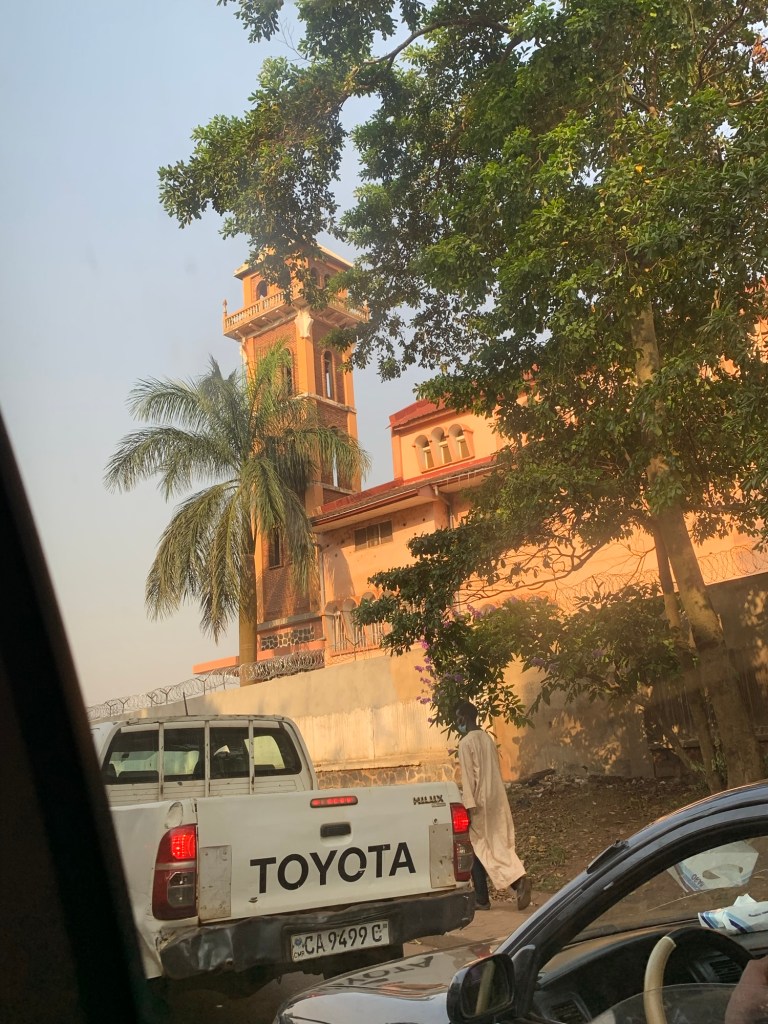
Growing up, I never really felt like I belonged anywhere. Not fully. I was born in France, raised in Switzerland, spent some years in Cameroon, and now I’m in the UK. I’m what people call a Third Culture Kid — someone who grows up between different cultures, never fully rooted in one. For a long time, I saw this as a struggle, a kind of cultural limbo. I thought tradition meant being tied to one place, one way of doing things. But over time, I realized that this “in-between” space I live in is actually a power move.
When I think about culture and tradition now, I don’t see them as fixed or boxed in. Culture is fluid, messy, and layered — like the sounds of Fela Kuti mixing with grime beats from London streets, or the bold prints of African textiles paired with British streetwear. Growing up, my birthday celebrations might have included Cameroonian dishes like Ndolé alongside Swiss chocolates or French pastries. It was never just one thing — it was all of it, woven together.
At first, that felt confusing. I wasn’t “fully African,” I wasn’t “fully European,” and I certainly wasn’t “fully British.” I felt like I was always explaining myself, or worse, apologizing for being different. But now, I see that this complexity is a gift.
Culture is Not a Box :It’s a Vibe You Carry With You
I’ve come to understand that culture isn’t just about where you come from — it’s about how you move through the world, what you absorb, and how you remix it. It’s in the way I move through London’s creative scene, blending the vibrancy of African diasporic art with UK street style. It’s in the music I listen to — switching from Burna Boy’s Afrobeats to Jorja Smith’s soulful UK R&B. It’s in how I see fashion, politics, and community — layered with the history of where I’ve been and the stories I carry.
Being a Third Culture Kid means I have this natural ability to flex between worlds. I’m not confined by one way of thinking or doing. I can see cultural conversations from angles others might miss. For example, not being originally from the UK gives me a fresh perspective on British culture .I notice the nuances, the tensions, the beauty, and the contradictions. I bring my own diasporic lens to conversations about identity and belonging, and that’s something unique.
How My Cultural Patchwork Became My Strength
There’s this line from Chimamanda Ngozi Adichie that sticks with me: “The problem with stereotypes is not that they are untrue, but that they are incomplete.” Growing up between cultures, I refused to be one-dimensional. I live in the gaps where the stories overlap, where the incomplete narratives meet. That’s where the magic happens.
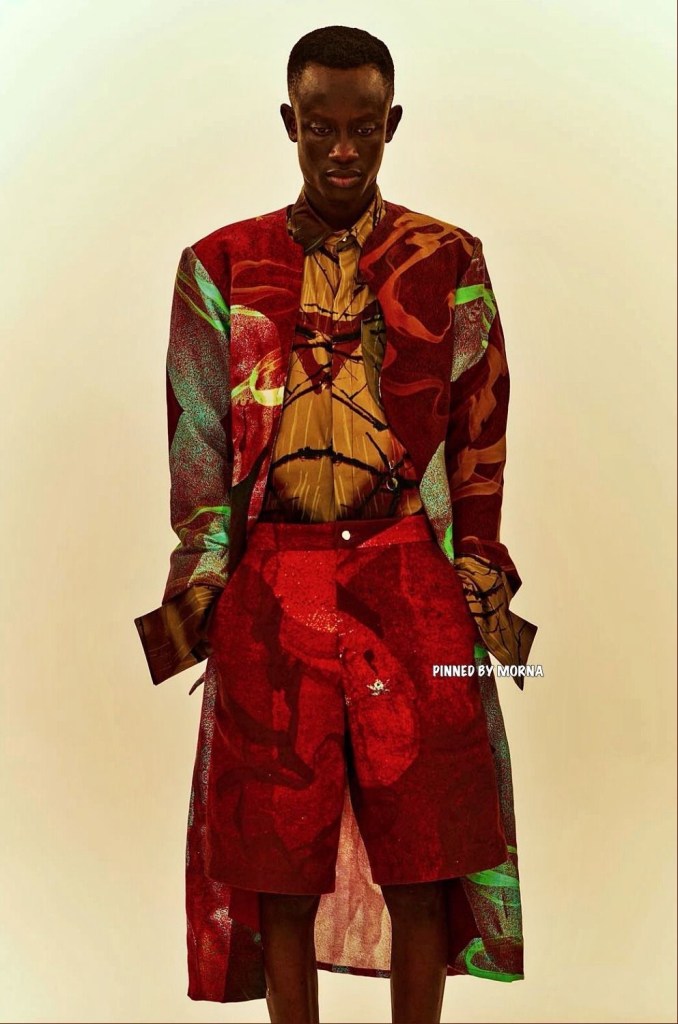
Take fashion: I’m inspired by people like Adebayo Oke-Lawal who blend African heritage with global streetwear, or by the way Black British stylists remix tradition with modernity to create something entirely new. It’s a reminder that culture is about evolution, not preservation in amber.
And this mindset helps me personally and professionally. In spaces like Culture-Anthology, where I write about culture, fashion, and politics, I’m able to bring fresh ideas and question dominant narratives. I’m not limited by a single cultural “box”.
I get to pull from a vast, vibrant tapestry.
The Beauty and Challenge of Belonging Everywhere and Nowhere
Of course, it’s not always easy. Sometimes I still struggle with feeling like I don’t fit perfectly anywhere. Explaining my background can be exhausting. People expect me to “pick a side,” but my story doesn’t fit neatly into one.
But I’ve learned to celebrate that. Belonging isn’t about passports or bloodlines ,it’s about the connections you build and the communities you create. My friendships, my creative work, my identity are all informed by my hybrid experience.
I’m connected to the energy of London’s diasporic creatives — the sounds of Afrobeat nights, the visual storytelling from platforms like Galactic Melanin, and the boldness of voices in magazines like New Wave. And at the same time, I carry my Cameroonian roots and European upbringing with pride, mixing those influences daily.
Why Third Culture Kids Are the Future of Culture
In a world where people move more than ever, where culture is constantly shifting, Third Culture Kids like me are cultural translators and creators. We build bridges, remix traditions, and craft new narratives that reflect the messy, beautiful complexity of identity today.
I used to see my background as a gap, but now I know it’s my superpower. It’s what lets me bring something fresh and authentic to everything I do — whether that’s writing, curating culture, or just living my life.
If you’ve grown up between cultures, or feel like you don’t quite fit in one place, know that your story is powerful. Your perspective is needed. You’re not lost , you’re a creator of new worlds and new cultures.
And if you’re not a Third Culture Kid, I invite you to open your mind to the beauty of cultural hybridity. Culture isn’t about purity or one origin story. It’s a vibrant mix and that’s what makes it so exciting.
Until next time,
see you next week, guys!!
Perrine
© 2025 Culture-Anthology
 culture-anthology
Leave a comment