Culture Anthology Presents
On editing as memory, motion, and modern myth.
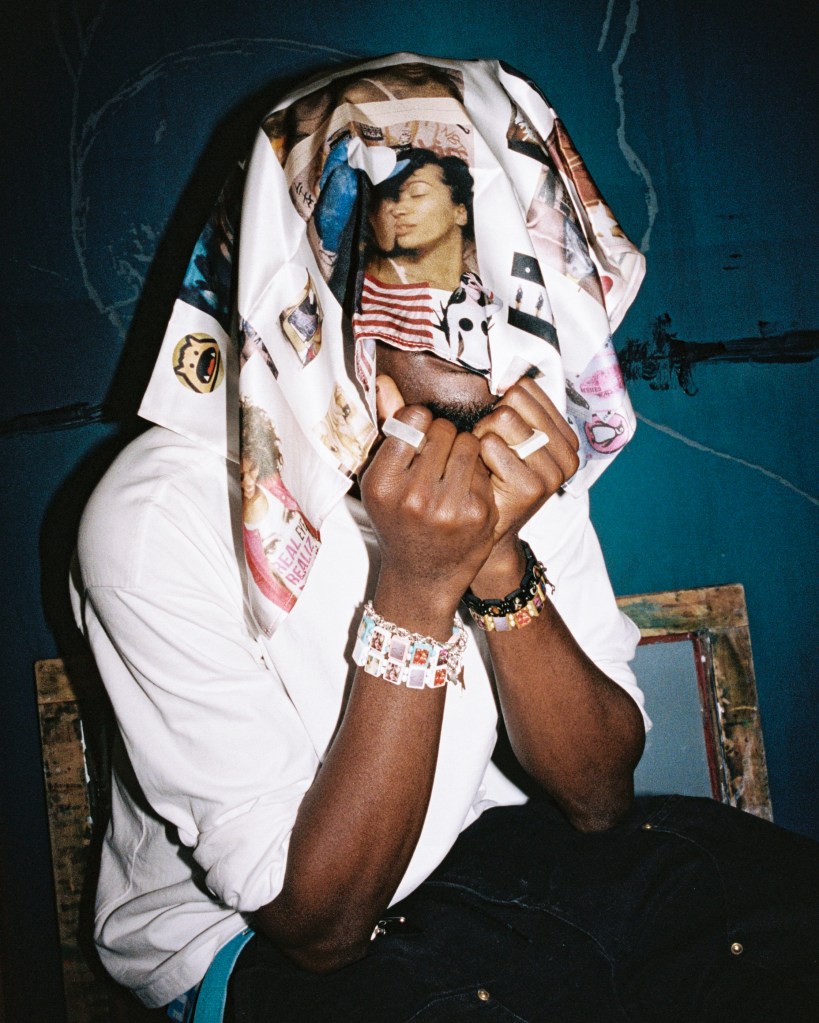
There are some visuals that don’t just show you something — they shift the atmosphere. They pause time. They live in your bloodstream for a bit. That’s what Dopesolitary’s work does. On August 2nd, I had the pleasure of speaking with him. We talked about culture, his deep love for editing, and the ways music has shaped who he is.
Known for crafting emotionally rich edits that feel both dreamy and deliberate, @dopesolitary is part of a new vanguard of visual storytellers making space for softness, futurism, and depth in an often overstimulated digital landscape. Whether through the floating intimacy of fakemink’s “Same Mistakes” or the fragmented beauty of “Snow White,” their visuals tap into something ancestral — almost cinematic but with the restraint of someone who trusts silence as much as spectacle.
At Culture Anthology, I’m here to trace the roots — the undercurrents of Black and diasporic influence running through fashion, music, and visual culture. For this piece, I sat down with Dopesolitary to talk about process, presence, and the quiet power of having full control over your aesthetic.
Let’s start with your name — Dopesolitary. What does solitude mean to you in your life and creative process? Do you see it as isolation, or more as intentional space-making? How does this concept of solitude influence the tone or mood of your visuals?
DOPESOLITARY: It’s kind of crazy how the name came about — it was accidental but ended up fitting me perfectly. I started off making videos, and this rapper, Freddy Solitary, invited me to join his collective. He said, “Your work’s dope, so I’m calling you Dope,” and added Solitary to match his name. Funny enough, Solitary really reflects who I am — I’ve always been someone who stays in my own lane, keeps to myself. Lately though, I’ve been trying to open up more, be more receptive to what life brings. It’s a process, but I’m working on it.
2. How has your upbringing and the place you come from shaped you — not just as a person, but specifically as a Black artist? Are there cultural references, environments, or artists from your background who helped build your artistic vision?
DOPESOLITARY: There are honestly so many influences — it’s kind of wild. I wouldn’t say the craziest part of my life, but my upbringing was definitely chaotic in the sense that I moved around a lot. I was born in London, then moved to Kansas, and spent time living between Kansas and Atlanta before eventually moving back to London. So culturally, I feel really lucky. I’ve been exposed to and embraced so many different environments. I’ve got a deep connection to London culture, and it all feels so blended now — like, you can walk down the street and hear bashment, then a bit further hear Afrobeats, house, or Turkish music. That mix is what makes it all so exciting. And being in ATL too, that came with its own vibe — especially with the music scene and all the iconic artists from there.
3. What was your first introduction to visual storytelling? Can you remember the moment you realised you wanted to create in this way?
DOPESOLITARY: I think it all started from moments where, say, an artist drops music on SoundCloud or releases an album, and my favorite song doesn’t get a music video. So I’d take matters into my own hands and create a whole visual for it, just because I loved it that much. That’s really where it comes from.
On top of that, I’ve always watched a lot of movies and cartoons, which naturally pushed me toward visual storytelling. Even just last night, the same thing happened. My girlfriend Sara hit me up like, “Let’s watch Grease,” so we did, and I was blown away by the intro — it was so fire. She noticed how into it I was and pointed it out, like, “That’s such a youthing.” And she was right — it’s stuff like that that really inspires me.
When you watch these kinds of visuals, it makes you want to recreate them — not exactly as they are, but in your own way, adding your personal flavor and style to it. That’s what really drives me to do visual projects.
4. Your editing feels intuitive — emotive but still highly designed. How do you balance instinct and technicality in your process? Are there moments where you let go of control and just ‘feel’ the edit, or is it always a deliberate act?
DOPESOLITARY: For me, it’s really all about the feeling. As soon as something clicks internally — like it resonates with me on a deeper level — that’s when I know it’s ready to be shared or at least seen by others.
When it comes to actually creating each part, I go over every detail again and again, probably hundreds of times. But ultimately, it all comes back to how it makes me feel and the emotion I’m trying to express through it. That emotional connection is what drives the whole process.
5. Do you ever find that, through your edits, you’re able to revisit different periods of your life — like, do they reflect where you were emotionally or mentally at the time, and help you look back and think, “Oh wow, that’s how I was feeling when I made this”?
DOPESOLITARY: That’s a really interesting question. This might sound a bit unexpected, but I’d say my videos are actually the purest expression of who I am. So when I look back at them, I don’t necessarily think about the specific time or what I was feeling then — it’s more like they serve as a reminder of who I am at my core.
6. Your work carries a distinct visual mood. What are some of your key aesthetic references or inspirations?
DOPESOLITARY: I definitely have key people who inspire me when it comes to video, but I have a personal rule: I never work from a mood board. I feel like it’s the quickest way to box yourself in creatively — it limits your perspective instead of expanding it.
Interestingly, I don’t really draw inspiration from within the video world itself. I’m more drawn to people who do completely different things and then try to channel their mindset or approach into my own work. It might sound a bit unconventional, but my biggest inspirations are people like Steve Jobs, Kanye, and Michel Gondry — especially Gondry’s way of thinking outside the box and creating from a place of imagination.
He has this philosophy I really connect with — about how we constantly take from the world (food we didn’t grow, clothes we didn’t make, streets we didn’t build), and the importance of giving something back. That idea sticks with me when I create videos: I want to offer something real to the people who take the time to watch.
Aesthetically, I pull a lot from print — reading magazines, flipping through books, or just going to the library and grabbing whatever catches my eye. It’s about staying curious and finding inspiration in unexpected places.
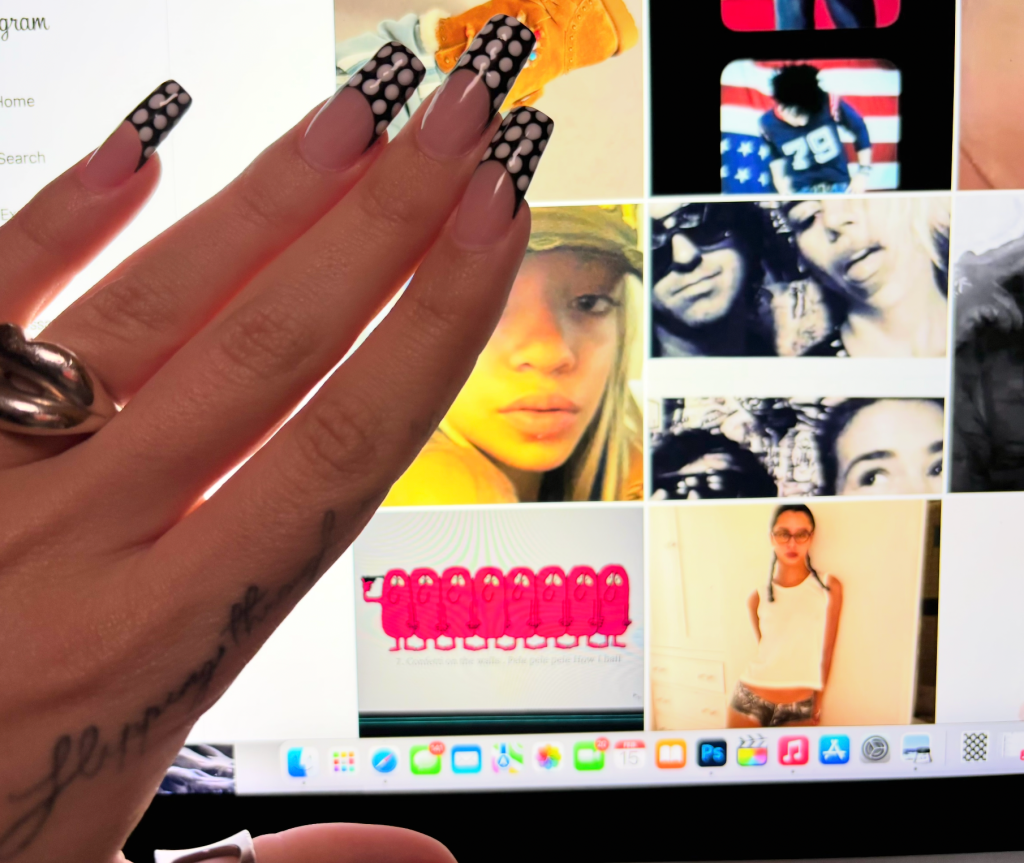
7. You seem to carry multiple worlds in your work, like a living archive. As someone navigating multiple cultural identities, how do you protect the nuance of your identity in a digital landscape that often simplifies or flattens complexity into digestible trends?
DOPESOLITARY: I think the way I protect my work is by embracing the fact that it doesn’t always make perfect sense to others — and that actually works in my favor. Even when I try to explain my ideas or the things that influence me, people often don’t fully get it. It’s like I’m speaking a different language, in a way.
Also, because of the way I’ve grown up, my references are really niche and scattered — so it’s hard for people to trace or replicate them. If someone wanted to copy what I do, they’d have to have lived my exact experiences. Everything I create is deeply personal, and that makes it hard to imitate.
I think that’s what makes it a perfect kind of camouflage. A lot of people aren’t truly in touch with themselves — they don’t look inward enough. And when you don’t know yourself, you can’t really create work that reflects you. That lack of self-awareness means their work often ends up losing its meaning or getting lost in translation.
8. Culture for me is not just about visuals — it’s about resistance, rhythm, inheritance. What does culture mean to you right now, beyond the surface of what’s trending?
DOPESOLITARY: Culture is really about the people you surround yourself with — who you talk to, who you allow to influence your thoughts, even on a subconscious level. It shows up in the little things: how you engage with the world, the spaces you move through, the food you eat. That’s all culture.
The problem is, people don’t always pay enough attention to it, even though it plays a huge role in shaping who we are. A lot of people don’t fully embrace their own cultures — sometimes out of fear, or simply because they don’t know how to. Or they’re unsure of how others will respond. But at the core, that’s really what culture is — and it deserves more awareness and appreciation.
9. What role does music play in your process? In a culture where sound often dictates the vibe, how do you translate that influence into image?
DOPESOLITARY: For me, the music I choose — whether it’s for a video or a project — always comes down to whether I genuinely like it. It has to resonate with me first. I owe a lot of that to my mum. Growing up in a Ghanaian household, she exposed me to such a wide range of sounds — from Ghanaian music to country, hip hop, classical, even movie scores. That mix really helped me develop a deep appreciation for all kinds of music.
So now, when I think about sound, it’s something that’s been deeply ingrained in me. If I connect with it and it aligns with what I’m trying to express, I’ll use it. It’s like working with different textures — you carry them with you, and they become part of your creative toolkit. Sometimes I hear certain drums or melodies in modern music, and I instantly recognize them. That familiarity helps me choose what will best communicate the message I’m trying to get across.
10. As a Black visual artist online, how do you protect your vision in a space where replication happens?
DOPESOLITARY: At first, I had a really aggressive, brute-force approach to things. But over time, I’ve learned to ease up and understand that, honestly, a lot of people won’t stick around long-term because they’re not being authentic. As long as I stay true to myself, I just have to accept that and keep doing my thing.
Many people aren’t being genuine, so I’ve seen plenty come and go — especially those who try to copy me outright. It’s not flattering at all, but I’ve grown to accept that it is what it is. I’ve had to learn to ignore it as much as possible, even when I want to call it out. Staying calm, collected, and keeping things positive is the only way to handle it now. It’s all about learning how to navigate the situation gracefully.
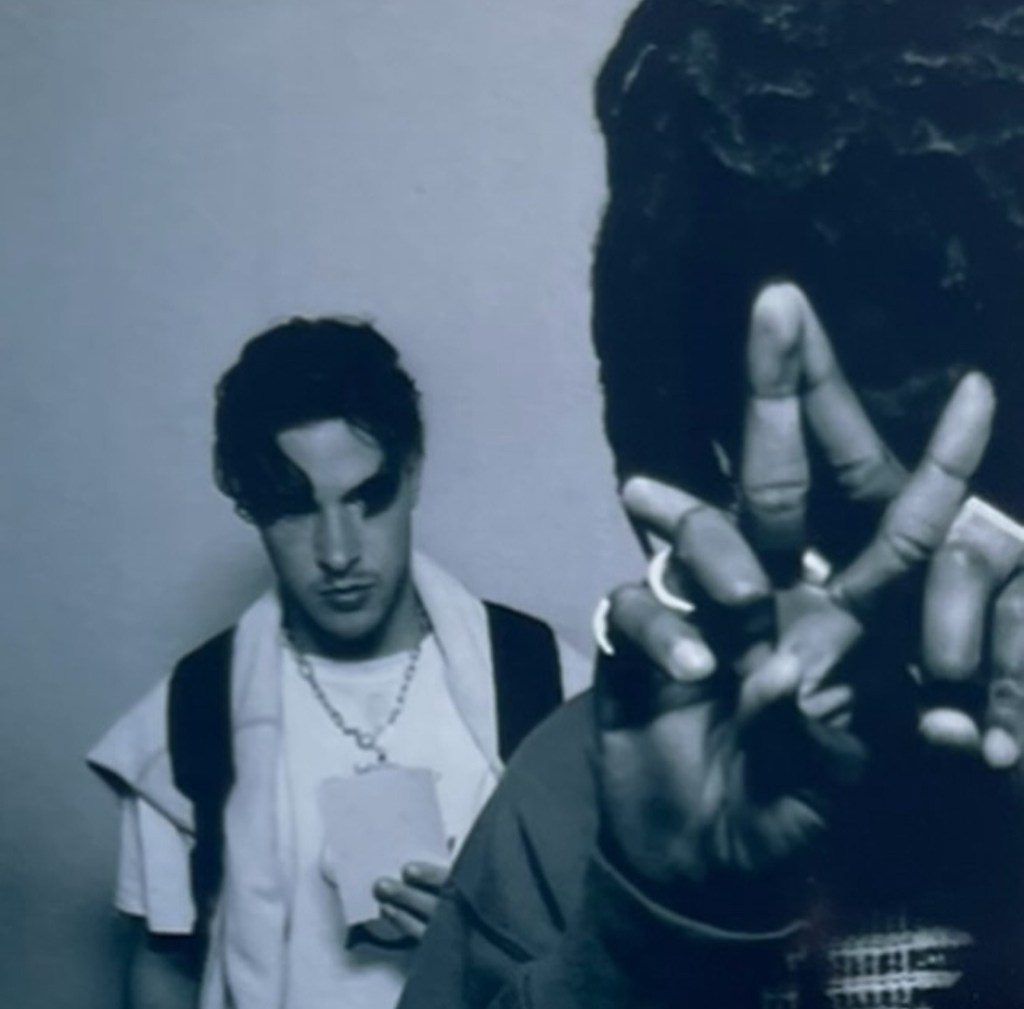
11. And lastly, what’s next? Is there a collaboration, format, or personal project you’re itching to explore? Anything exciting?
DOPESOLITARY: I have quite a few projects lined up, and right now I’m figuring out which ones are the best fit to share immediately and which ones might be better received later on. There’s a lot I could release, but it’s about timing — whether people are ready for it now or if it makes more sense to wait.
Also, there’s another project coming up in about three months that I’d definitely recommend keeping an eye out for.
DOPESOLITARY SHOUTOUTS:
I want to give a big shout-out to Gus L Dopa, Sara, Mink Rush, Mike, Jack, and Nicole — I really appreciate them. I also want to shout out to my mom, my brother, and my sister for always being there. And finally, thanks to everyone who supports me in any way — I see you, and I appreciate you. Big love to all of you.
Dopesolitary’s work reminds us that editing is never just about cutting clips — it’s an act of curating feelings and weaving memory into motion.
I’m deeply honoured to hold space for artists like him through this series. This is part of a broader effort to trace the pulse of Black cultural production through sound, style, and the moving image.
More soon from London, from the diaspora, and from the future.
Until next time,
see you next week, guys!!
Perrine
© 2025 Culture-Anthology
 culture-anthology
Leave a comment