The influence of Growing up across cultures on my style
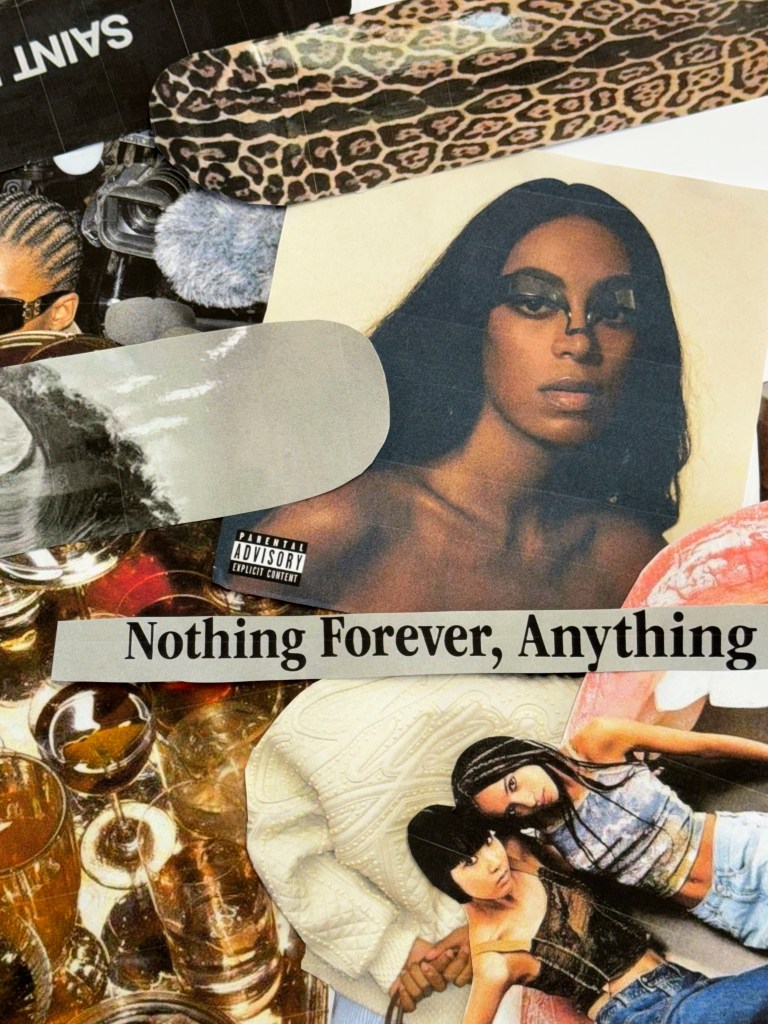
Growing up between France, Switzerland, Cameroon, and the UK shaped the way I see fashion. Each place left its imprint, adding another layer to my style and how I carry myself today. As a Black woman, fashion has never been just about looking good it’s about self-expression, cultural storytelling, and connecting with my roots. From my mom’s early lessons in dressing with intention to the icons who shaped my perception of beauty and confidence, my style reflects the worlds I’ve moved through.
My First Influence: My mother, a Cameroonian women of style
“When you go out, you have to dress to impress, because yes, you are that important”
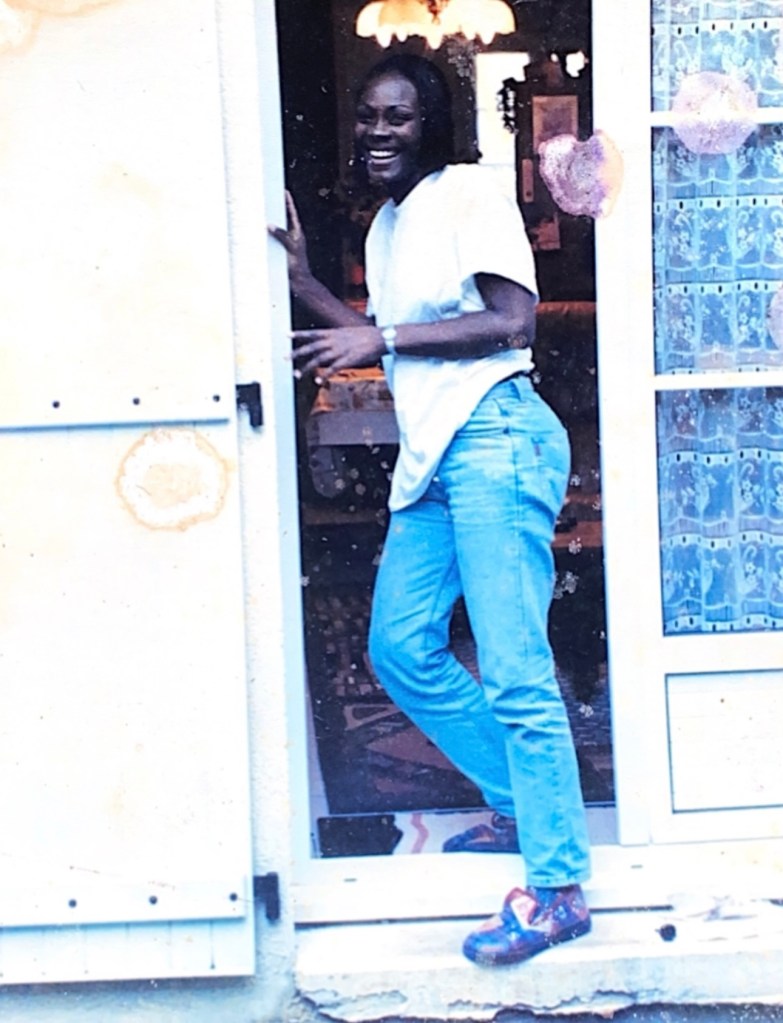
My mom has been saying this since I was little, and honestly, I live by it. A proud Cameroonian woman from Yaoundé, she’s always seen fashion as a statement. She never just threw on clothes she dressed with purpose, making sure every piece told a story. Her wardrobe is filled with rich wax prints, elegant sets, and perfectly tailored outfits that made her stand out wherever she went. She carried herself like a woman who knew her worth, and she made sure I understood mine.
For her, dressing well wasn’t about vanity it was about dignity. Growing up as an immigrant in Europe, she knew how much image mattered. In the ’90s and 2000s, luxury brands were more than just clothes; they were symbols of success, especially for African parents who had worked hard to build something in a foreign land. Louis Vuitton, Burberry, and Dior weren’t just fashion statements they were proof that they had made it.
Cultural Mosaics: France,Switzerland, Cameroon and the UK
France introduced me to classic elegance. Parisian style is all about effortless sophistication neutral colours, timeless silhouettes, and an “I didn’t try too hard” attitude. It was a contrast to the boldness of Cameroonian fashion, but both influences somehow blended within me.
Switzerland taught me about minimalism and quality over quantity. Swiss fashion is understated but luxurious, which is why I love brands like Chloé they embody that quiet elegance while still making a statement.
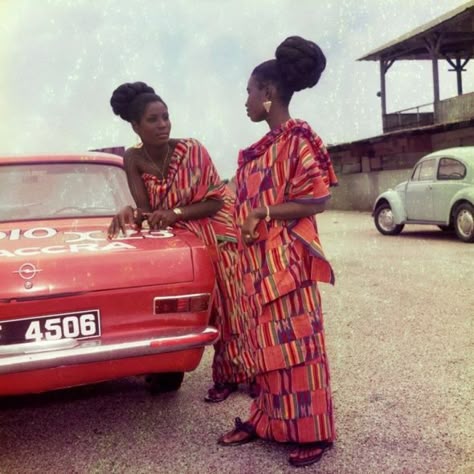
Cameroon gave me an early appreciation for colour, prints, and traditional craftsmanship. I grew up surrounded by the deep indigos of Bamileke fabric, the elegance of Kaba Ngondo dresses, and the boldness of women in boubous and head-wraps. Style here wasn’t just about aesthetics; it was cultural, almost sacred.
The UK is where I embraced street style. London’s mix of high fashion and urban culture made me fearless in experimenting. I started layering vintage blazers with sneakers, pairing designer pieces with thrift finds, and fully embracing the Afro-diasporic influence in fashion.
Style Icons who shaped me
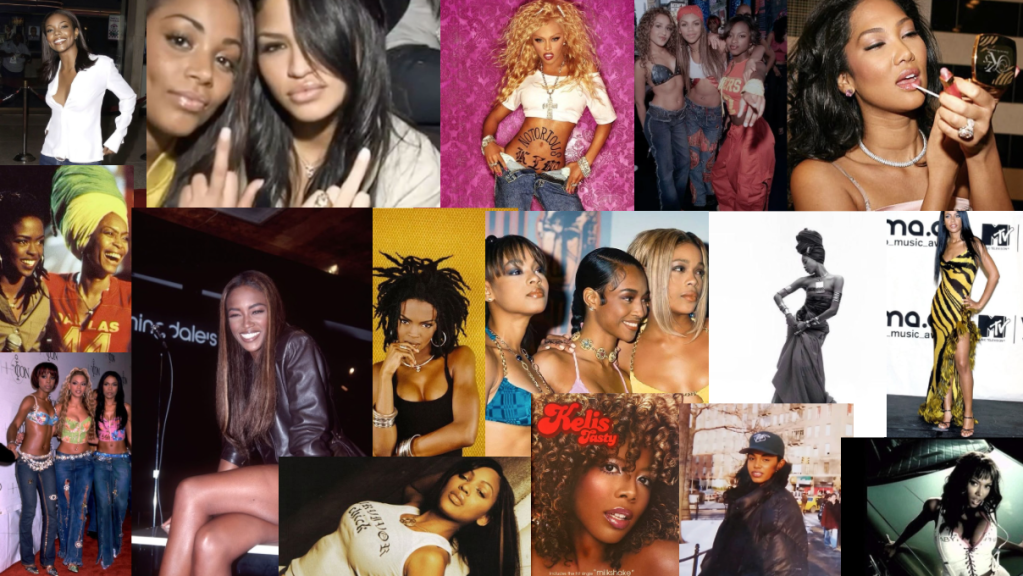
Growing up, I was always drawn to Black women who owned their looks with confidence and originality. Grace Jones, Erykah Badu, Kimora Lee Simmons, and Sade played major roles in shaping my style.
- Grace Jones made me understand that fashion is about pushing boundaries. Her sculptural, androgynous looks were pure art.
- Erykah Badu taught me that fashion could be deeply personal, spiritual, and rooted in culture. Her love for headwraps, oversized silhouettes, and Afrocentric aesthetics resonated with my Cameroonian heritage.
- Kimora Lee Simmons embodied luxury with a hip-hop edge. She made Baby Phat a movement, proving that Black women could be both powerful and stylish.
- Sade is the queen of effortless cool. Her signature look slicked-back hair, gold hoops, a classic red lip taught me that simplicity can be iconic.
Black Luxury in the 90s and 2000s

(Christian Dior, Autum-Winter 19, Couture)
For many African immigrants in Europe, luxury fashion was a form of status. Our parents weren’t just buying into trends they were claiming space in a world that often tried to exclude them.
In the ’90s and early 2000s, logos were everything. A Louis Vuitton monogram bag, a Burberry trench, or a Roberto Cavalli leopard-print dress wasn’t just fashion it was a declaration of success. My mom and so many Black women from that era saw these brands as more than clothes; they were symbols of resilience. That influence trickled down to me. Even today, I appreciate high fashion not just for the designs but for what it represents.
Where I am now: A blend of everything
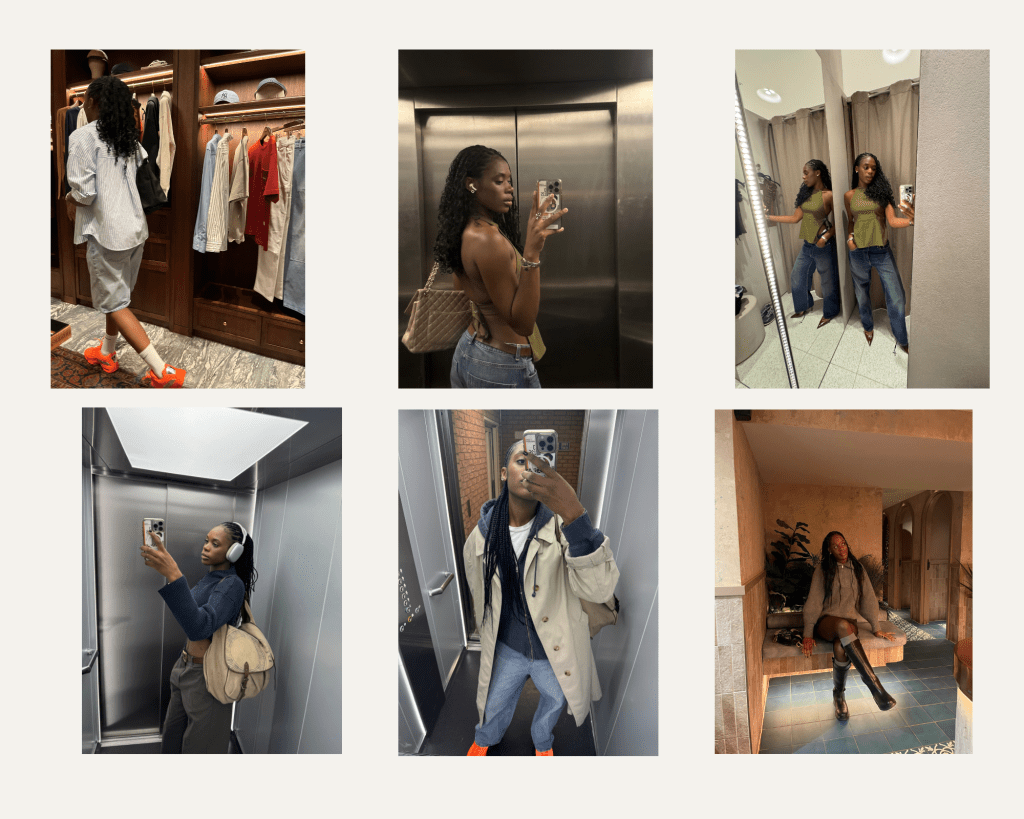
As an adult, I see how all these influences still shape me. I love luxury, but now I wear it in a way that feels authentic. I mix vintage Chloé pieces with modern pieces, throw a Burberry trench over casual streetwear, and incorporate Cameroonian prints in ways that honour my roots.
I see my mother’s impact in every outfit I put together. Whether I’m rocking an oversized blazer like Grace Jones, stacking gold jewelry like Kimora, or embracing the clean simplicity of Sade, my style is a reflection of all the cultures and icons that shaped me.
Fashion isn’t just about clothes it’s about identity. It’s a bridge between where I come from and where I’m going. And, like my mother always says, I dress to impress not for anyone else, but because I am that important.
see you next week guys!!!
© 2025 Culture-Anthology. All Rights Reserved.


 culture-anthology
Leave a comment