I know — it’s been a minute. I sort of disappeared for a bit. Life got loud, the world kept spinning, and I needed a breather. But I’m back, and better — softer, more observant, more rooted. I’ve been thinking about the ways sound travels, about how culture never really dies it just takes new shapes. And the thing that’s been echoing in my mind lately is the blues.
Not just the music — the feeling. The kind that doesn’t need words to tell you something’s real. The kind that holds both ache and joy, struggle and grace, migration and memory — all at once.
The Blues That Raised Me
The first time I experienced the blues wasn’t in a club or through a record — it was in my home. My household carried rhythm like air — laughter, prayer, heartbreak, and recovery all had their own soundtracks. My parents played everything from old-school soul to gospel, from highlife to Nina Simone, and I remember being too young to understand but old enough to feel it.
Back then, I didn’t know the word “diaspora.” I didn’t know that what I was hearing — that low hum of emotion — had a history tied to ships, sweat, cotton, and freedom. I didn’t know that this sound was born out of survival, that it was ourmusic before the world decided to commercialize it.
But what I did know was that the blues was a language. The kind of language that you don’t speak, you just recognize — in pain, in longing, in faith. It’s the sound that Black people created to make sense of what couldn’t be said out loud.
From the Delta to the Diaspora
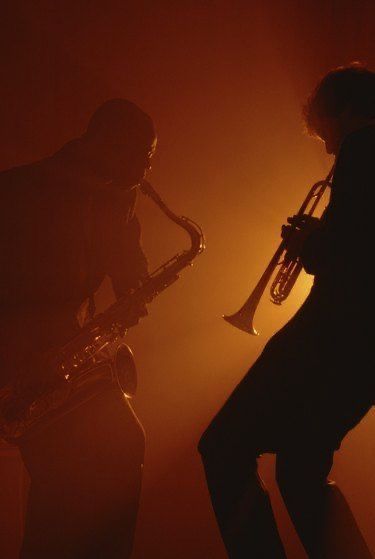
Fast forward to now — I’m older, and the world feels smaller, but the sound remains big. The blues started in the American South, sure. But its story doesn’t belong to one country. It’s part of a larger map of Black expression — from field hollers to jazz to reggae to grime. Every genre that came after carries a trace of it, a chord progression or a cry that reminds us where it started.
That’s the thing about culture: it travels. It crosses oceans, shifts dialects, changes rhythms — but it never loses its core. You’ll find it in Lagos jams, Kingston dub, or even in how UK artists blend soul with drill. The blues was the seed. Everything else bloomed from it.
London, the Global Stage
London, for me, is where all of those histories meet. It’s messy, loud, layered — but that’s what makes it beautiful. It’s a city built by movement: Caribbean migration, African migration, South Asian migration. Every corner carries a rhythm from somewhere else.
So when I first went to The Blues Kitchen in Camden, I didn’t just go for a night out. I went searching for a sound that felt like home.
The place itself feels like a love letter to the past — all vintage lights, brass instruments on the walls, sticky floors, people dressed like they’ve lived a thousand lives. The crowd is mixed — Gen Z kids who discovered Muddy Waters through TikTok, older folks who lived through the soul era, tourists chasing the idea of “authentic” music. But somehow, it works.
And when the band starts playing, it’s magic. You feel that rawness, that ache. You see people who probably never met before nodding in sync, moving to the same beat, connecting through something wordless. That’s the blues doing what it’s always done — creating communion in chaos.
A New Generation, Same Feeling
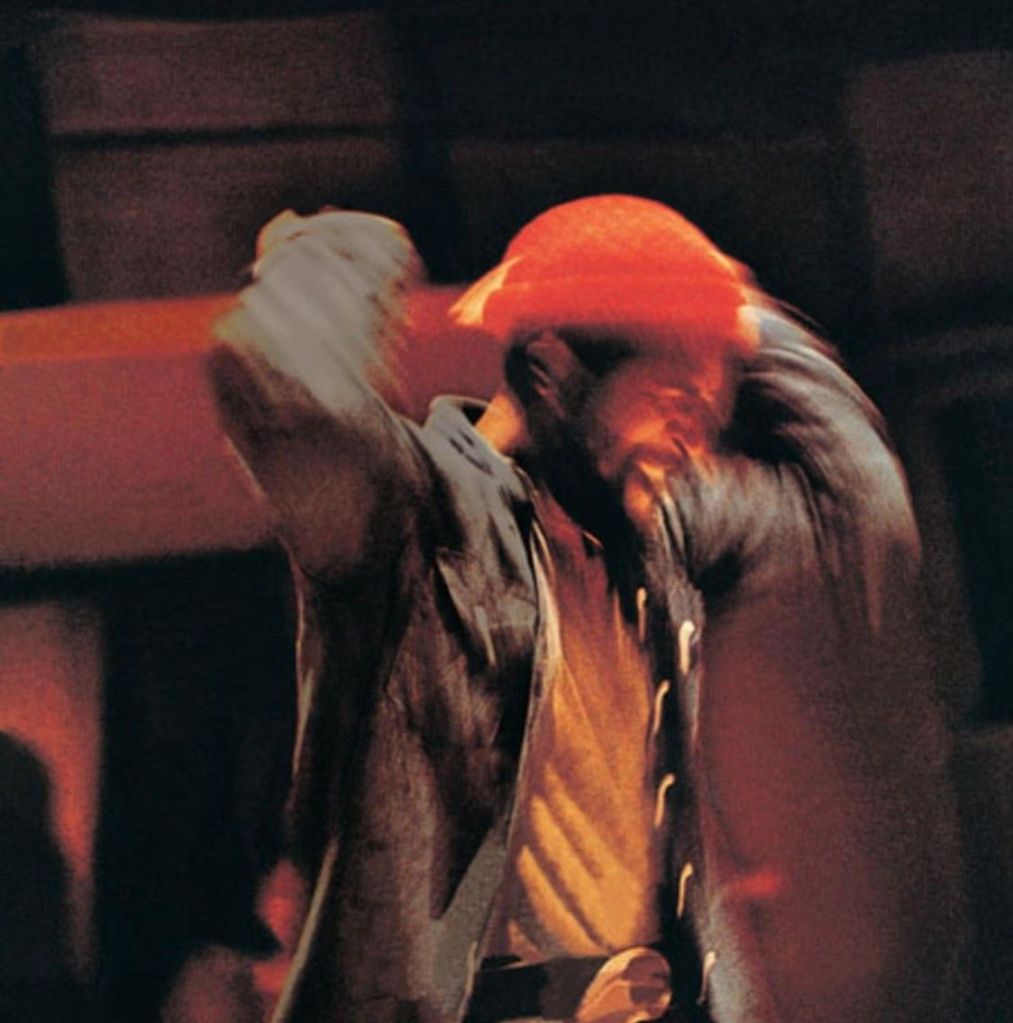
What’s beautiful about the blues in London today is that it’s not stuck in nostalgia. The younger generation — artists, musicians, DJs — they’re reinventing it. They’re mixing it with hip-hop, with Afrobeat, with punk energy. It’s not just old men and guitars anymore; it’s Black women with laptops, queer artists with synths, kids using 808s to talk about heartbreak and survival.
That’s the global afterlife of the blues — it evolves. It shapeshifts to reflect whoever’s holding the mic.
At The Blues Kitchen, I saw a band of twenty-somethings covering Etta James one minute, then switching into an original track about growing up in East London the next. The crowd didn’t flinch — because it’s all connected. That’s what the city allows: fusion. A space where the diaspora can take what was once pain and remix it into power.
And that’s why spaces like this matter. Because even in a city as culturally rich as London, it’s easy for Black sound to get co-opted, diluted, or lost under trends. The blues is a reminder — a reclamation — that our art has always been global before it was ever recognized.
Culture as Memory, Music as Resistance

The blues isn’t just music history; it’s cultural memory. It’s the foundation of modern Black music, and by extension, global pop culture. From Amy Winehouse to Lianne La Havas, from Jorja Smith to Ezra Collective — you can hear that lineage, whether or not it’s named.
But there’s also a quiet form of resistance in keeping it alive. In playing it, in remixing it, in showing up to listen. Because every time the blues is played, it reminds the world that Black culture isn’t just entertainment — it’s endurance.
For me, being in that Camden crowd felt like being part of something ancient and current at the same time. Like tapping into a pulse that’s been beating for centuries. That’s culture: it connects us backwards and forwards, reminding us of who we were and who we still are becoming.
Back and Better
So yeah — I took a break. Sometimes you have to. You can’t pour from an empty cup, and mine needed refilling. But this little journey back into the blues — back into sound, back into community — reminded me why I started writing about culture in the first place.
Because culture isn’t static. It’s movement. It’s people. It’s music that travels from one generation to the next, carrying pieces of us each time.
And if the blues taught me anything, it’s that even in pain, there’s beauty. Even in silence, there’s rhythm.
So I’m back — and this time, I’m taking it slow. Like the blues.
see you next week, guys!
Perrine
© 2025 Culture-Anthology
 culture-anthology
Leave a comment