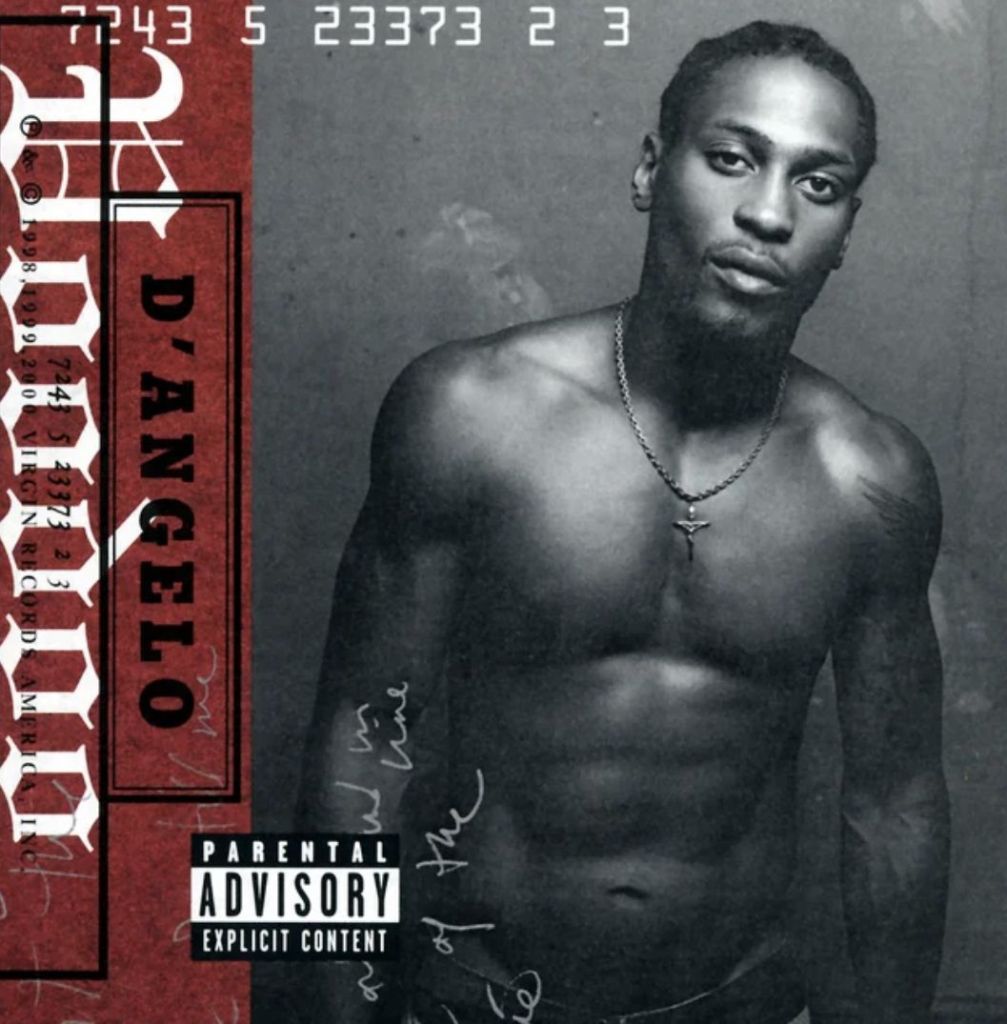
There are artists who make music, and then there are artists who shift the air around them — who change the pace of the world. D’Angelo was one of those rare spirits. His passing feels like losing a heartbeat that had been pulsing quietly underneath Black music for three decades. The neo-soul pioneer didn’t just give us songs; he gave us language, vulnerability, and groove — things that reshaped how a generation felt its Blackness, its sensuality, its spirituality, and its self.
A Revolutionary Quiet Storm
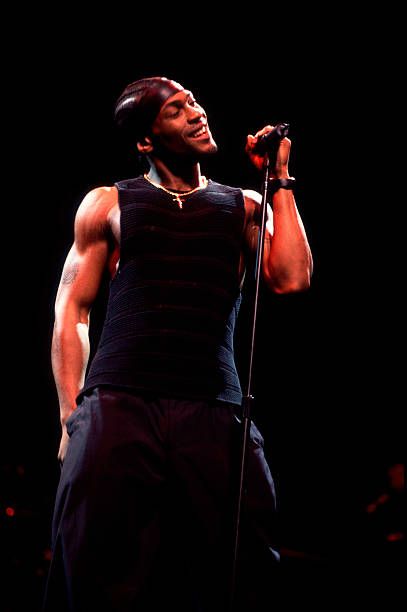
When D’Angelo first arrived in the mid-’90s, the world of R&B was caught between two extremes — the slickness of New Jack Swing and the glossy perfection of mainstream pop. He came in with Brown Sugar (1995) and changed everything. That voice — warm and unhurried — felt like the return of something ancient and spiritual. The world hadn’t heard a man sing like that in a long time: grounded in church, soaked in funk, unapologetically slow.
But it wasn’t just nostalgia. D’Angelo made soul futuristic. He mixed Marvin’s sensuality, Prince’s rebellion, and hip-hop’s rough edges into something whole. The grooves were loose, lived-in, messy in the best way — like human emotion itself. With him, imperfection became the point. Every note breathed.
The Soul of Black Expression
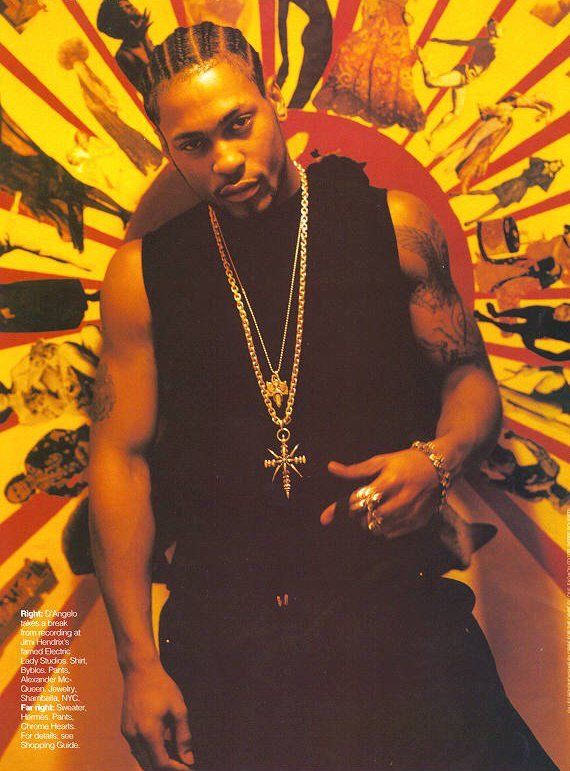
D’Angelo’s music was political even when it whispered. To be soft, to be sensual, to feel deeply as a Black man , that’s a quiet rebellion in itself. In a culture that often demands strength, D’Angelo offered honesty. He made space for tenderness, for yearning, for that sacred connection between the spiritual and the physical.
He brought back a lineage — connecting us to Donny Hathaway, Curtis Mayfield, and the ancestral pulse of gospel. Yet, his sound was never retro; it was an ecosystem of past and present, a living archive of Black expression. He carried the church, the street, and the cosmos all in one breath.
In his most iconic moment — the Voodoo era — D’Angelo took that lineage and made it flesh. The “Untitled (How Does It Feel)” video wasn’t just sensual; it was spiritual warfare. A Black man, naked, unguarded, filmed with reverence instead of objectification — that was revolutionary. It flipped the lens. It demanded that Black men be seen as beautiful, human, sacred. That image is still one of the most talked-about visuals in R&B history for a reason. It wasn’t about sex; it was about visibility, vulnerability, power.
The Disappearance — and the Myth
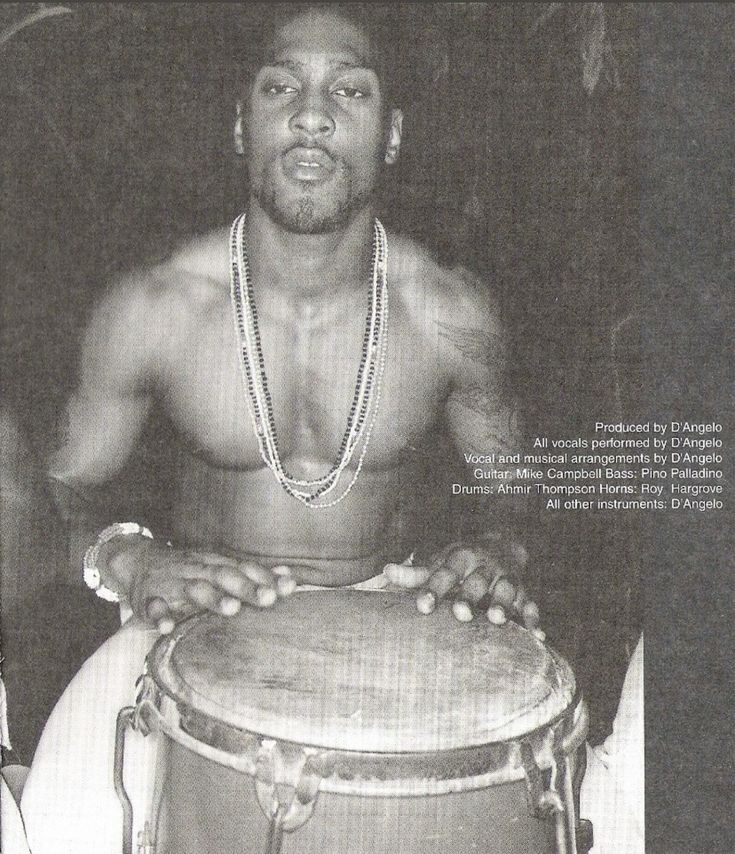
After Voodoo’s success, D’Angelo disappeared from the public eye. Fame had become a weight. The same body that was celebrated was also dissected. The media obsession, the pressure to perform, and the pain of being misunderstood pushed him into silence.
But even in his absence, he was everywhere. The seeds he planted grew into artists who carried his soul forward — Erykah Badu, Maxwell, Bilal, Frank Ocean, Solange, SZA, H.E.R., Brent Faiyaz, Cleo Sol, and so many others. The neo-soul scene that D’Angelo helped birth became a safe haven for artists who wanted to be more than marketable — who wanted to be real.
His 2014 comeback, Black Messiah, was not just a return; it was a reckoning. Released during the height of Black Lives Matter protests, it sounded like revolution wrapped in groove. “The Charade,” “1000 Deaths,” “Till It’s Done” — he turned funk into protest, church into resistance. He reminded us that music isn’t just sound; it’s survival.
Why D’Angelo Mattered to Black Culture
D’Angelo taught a generation that Blackness could be fluid — spiritual, sensual, righteous, quiet, explosive — all at once. He refused to be boxed in by genre, gender norms, or industry expectations. He embodied freedom.
- He redefined masculinity.
At a time when vulnerability in men was often ridiculed, he wore his heart open. His falsetto became a language of softness and truth. He made intimacy political. - He bridged eras.
His music reminded us that innovation is rooted in memory. You could hear the lineage of soul, funk, jazz, and gospel, but also the pulse of hip-hop. He showed that honoring the past and inventing the future are the same act. - He made imperfection divine.
The roughness, the analog feel, the offbeat timing — that was D’Angelo’s magic. It was organic, raw, human. In a world obsessed with polish, he made groove messy again.
Beyond the Music: The Cultural Pulse
D’Angelo’s impact reached beyond the sound waves. He inspired a new way of being creative — slower, deeper, rooted. He made Black artistry sacred again. His work asked: What if we took time? What if we let things breathe? What if we didn’t chase trends, but truth?
His absence over the years taught us something too — that rest is resistance. That stepping away doesn’t mean disappearing. It means protecting your spirit. In a culture of overexposure, D’Angelo’s retreat was an act of self-preservation — a reminder that artists don’t owe us everything.
A Legacy That Won’t Fade
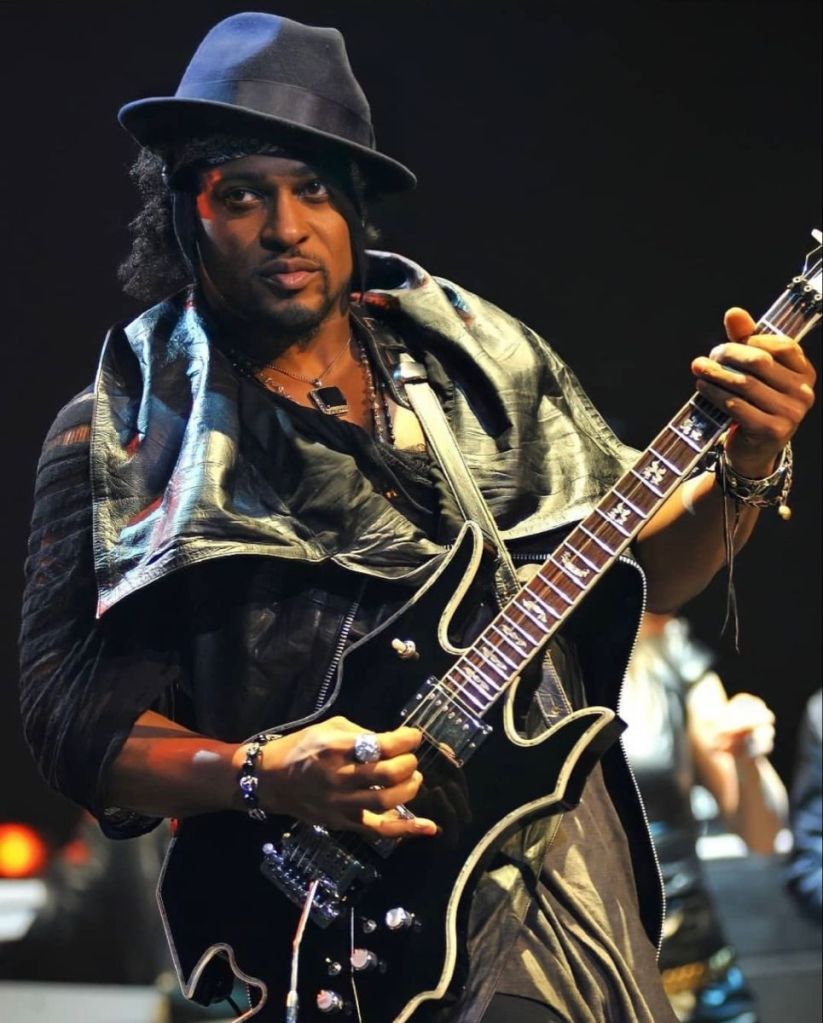
Now that he’s gone, the ache is heavy. But his influence is everywhere. You hear him in the syncopation of new soul records, in the spiritual yearning of R&B revivalists, in the quiet rebellion of artists who refuse to conform. You feel him in the way Black musicians now center soul as both heritage and innovation.
He changed the DNA of modern music. Without him, there’s no “Blonde,” no “A Seat at the Table,” no “Heaux Tales.” His spirit is embedded in the soundscape of the 21st century.
Rest in Groove, D’Angelo
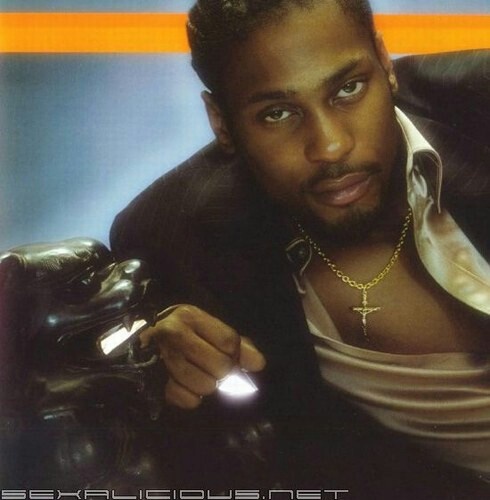
D’Angelo reminded us that music can be church, therapy, protest, and love — all at once. That soul isn’t just a genre; it’s a practice of remembering who we are. His legacy isn’t just in his records, but in how we feel when we listen — closer to ourselves, to each other, to something higher.He was never just an artist. He was a frequency.
And even now, he’s still humming through the world — through us.
Rest easy, Black Messiah. Your rhythm never dies.
see you next week, guys!
Perrine
© 2025 Culture-Anthology
 culture-anthology
Leave a comment