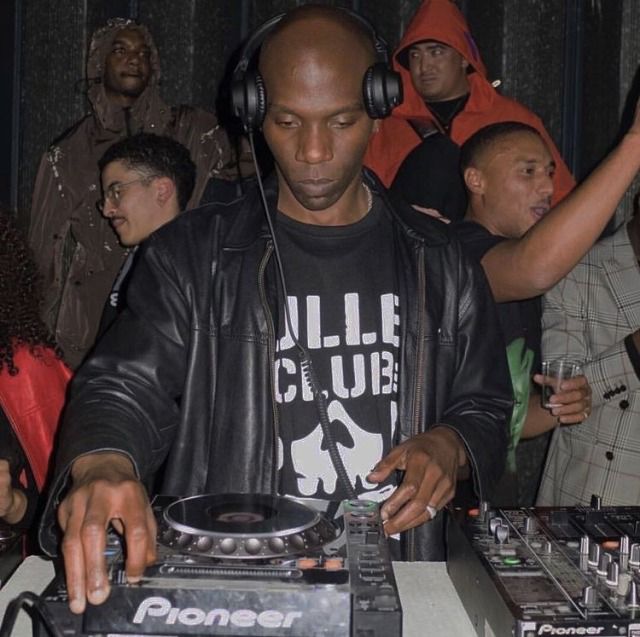
There’s something magnetic about Dean Blunt. He’s one of those artists who feels like a ghost in machine — always present, never fully seen. In a time where visibility is everything, his whole approach feels like a quiet rebellion. He doesn’t perform. identity; he bends it, hides reshapes it. And somehow, that’s exactly what makes him such an essential figure in black British Culture.
Sounding out the invisible
Dean Blunt isn’t loud. He doesn’t need to be.His music and art whisper in strange, glitchy frequencies that sit between London chaos and emotional detachment — but that’s the point.
Projects like Black Metal (2014) and black metal 2 (2021) are haunting, layered , and stripped of anything performative. Songs like MUGU or 100 carry this London melancholy — the rain, the tube and the loneliness — while still feeling like something deeply diasporic.

Then there’s babyfather’s BBF Hosted by DJ Escrow — a love letter and critique of black British life all at once. The opening line, “This makes me proud to be British”, repeated like a mantra, feels ironic and heartbreaking, as if he’s showing us the double consciousness of Black identity in the UK : pride and disillusionment sitting side by side.
Beyond Genre, Beyond Labels
Blunt’s work constantly, resists definition. He’s done grime-adjacent sounds, lo-fi R&B , noise ,ambient— but you can’t really box him in. That refusal to be categorised mirrors the black British experience itself: fluid, shapeshifting and never one thing.
His collaborations— from Hype Williams with Inga Copeland to mysterious aliases and installations — stretch what we think Black art can look like.He plays with confusion, distortion , irony but underneath all of it, there’s truth. A kind of emotional realism hidden inside abstraction.
Blackness, Privacy and Power
There’s a kind of freedom in the way Blunt moves. No explanations. No labels. Just art that refuses to fit neatly into anything. And that’s radical for black artists in Britain — especially in a culture that loves to frame our stories through trauma or trend.
Dean Blunt doesn’t let you read him. He disappears right before you can name him. That’s power. But he’s not detached from Blackness— he’s just reimagining how it can exist. His work babyfather was explicitly rooted in black British identity, sampling road slang, grime influences, and even the mundane sounds of everyday London. It was his way of saying: this is ours, even if it doesn’t look like what you expect.
He’s known for showing up in underground spaces, supporting younger Black artists, and staying close to the community in quiet ways — mentoring, producing, giving space. You won’t see him post it or announce it, but people in the scene know he’s present, that he cares. His activism isn’t loud or hashtag-driven; it’s in how he builds — making space for other Black voices to exist without compromise.
The Blueprint for a New Kind of Cool
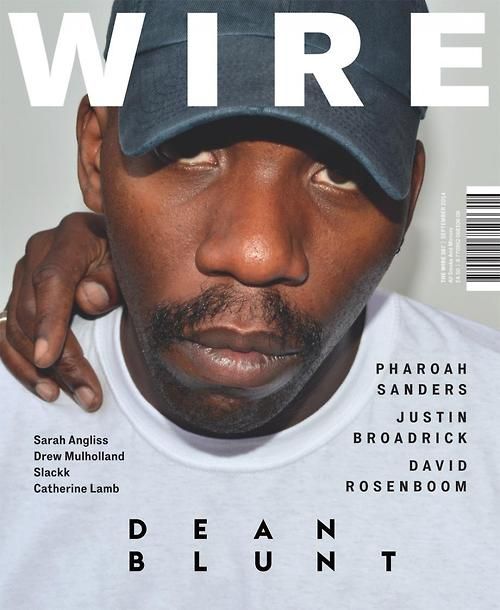
You can feel his fingerprints all over London’s new wave. Artists like Sampha, Kojey Radical, Tirzah, Jorja Smith, and King Krule all echo that same coded emotion — tender, ironic, surreal. Even newer artists like Nia Archives, KWN, or Jim Legxacy carry pieces of his DNA without always realising it.
The way Blunt blurred the line between music, performance, and attitude gave permission for a generation to be undefinable — to merge softness with detachment, emotion with distance.
Dean Blunt represents a kind of Black British cool that’s not about hype but about control — knowing you don’t have to explain yourself to anyone. His mystery isn’t distance; it’s protection. It’s self-respect.
Why he still matters
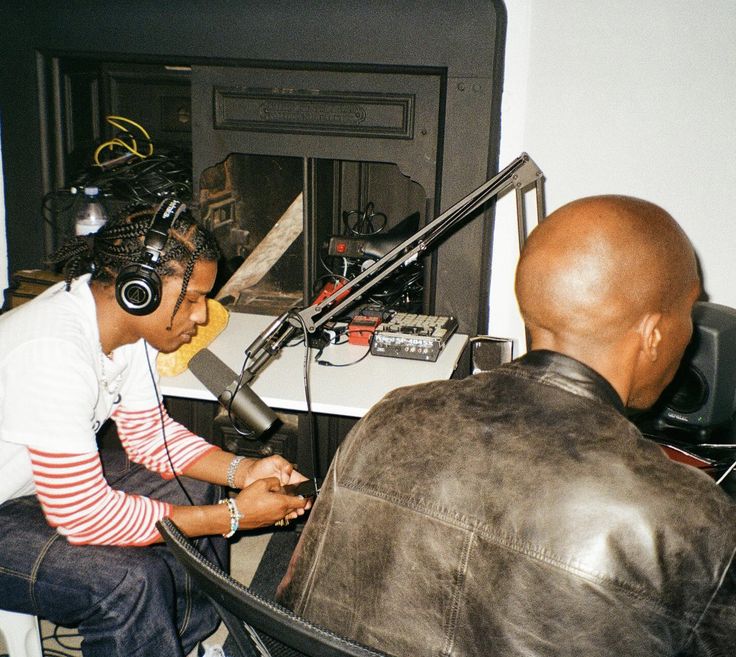
In a world obsessed with being seen, Dean Blunt’s refusal to explain himself is revolutionary. He shows that blackness doesn’t need translation—it can just be. His art invited you to listen differently, to sit with discomfort, to find beauty in confusion.
Maybe that’s why he matters so much: he’s not just an artist, he’s a statement. A mirror.He shows us that you can both hidden and seen, detached and emotional,British and diasporic—all at once.
And in a culture obsessed with visibility, that kind of mystery might just be the real definition of freedom.
see you next week, guys!
Perrine
© 2025 Culture-Anthology
 culture-anthology
Leave a comment