The other day at an event, I got into a conversation with someone who’s now become a good friend. Somehow, we started talking about Solange Knowles, and the way she came up really shifted something in me. I left realizing just how much she’s shaped the way I see culture—how I think about being young, my 20s, and what identity actually means to me.

Solange has always been more than just Beyoncé’s sister. She’s an architect of sound, style, and self-definition. But more importantly, she has become a cultural compass for Black youth and minorities all over the globe. She teaches us that art can be soft and radical at the same time. That joy, stillness, and rebellion can live in the same space. And in doing so, she leaves a permanent mark on how we see ourselves and how we see culture.
A Global Mirror for Black Youth

Solange’s work reflects something that resonates across continents: the complexity of Black youth navigating worlds that weren’t built for us, yet constantly taking from us. Her music and her art give us a mirror—one where we’re not only visible but centered.
For Black youth in the diaspora, whether in London, Paris, or New York, her work becomes a point of connection. She doesn’t flatten Blackness into one identity; instead, she opens space for multiplicity. We hear it in the way she blends sounds of soul, funk, and experimental R&B. We see it in her visuals that merge Southern Black traditions with avant-garde art references. Globally, minorities gravitate to this because she articulates what many of us feel: a longing to be free while carrying history on our shoulders.
“A Seat at the Table”: A Generational Anthem

When A Seat at the Table dropped in 2016, it was more than an album—it was a generational moment. I was still finding my place in the world, stepping into adulthood, trying to understand the balance of joy and struggle. That album gave language to emotions that were often left unspoken.
“Cranes in the Sky” alone became a therapy session for so many of us. The restless search for peace—trying to shop it away, drink it away, work it away—felt like a shared confession. For Black youth, this wasn’t just a song; it was a validation. It said: your feelings are real, your exhaustion is valid, and your silence does not erase your worth.
Generationally, that record will always be remembered as a timestamp. It caught a moment when Black youth globally were pushing back—against police brutality, against cultural erasure, against mental health stigma. It gave us something we didn’t even know we needed: a seat at the table we had been denied for centuries.
Solange and the Aesthetics of Resistance

One of Solange’s greatest cultural impacts is how she redefines what resistance can look like. For her, resistance isn’t only protest signs and raised fists (though those are powerful). It’s also minimalism, dance, softness, and community.
Look at her visuals: When I Get Home and its Black Southern surrealism, the stillness of her poses in A Seat at the Table’s artwork, her willingness to step away from the mainstream machine. For minorities, this feels like a revelation. We’re taught that resistance always has to be loud, aggressive, and unrelenting. Solange shows us that we can resist by being still, by being gentle, by reclaiming our creativity on our own terms.
Globally, that matters. In spaces where minorities are pressured to assimilate, to blend in, Solange makes space for being unapologetically different. She sets a cultural precedent: we are allowed to be complex, avant-garde, quiet, or strange—and still Black.
Fashion, Identity, and Rebellion

Solange’s cultural reach extends beyond music. Her fashion is as much a statement as her lyrics. She wears clothes like armour, like art, like reclamation. Her use of bold shapes, rich colours, and textures communicates freedom.
For Black youth, fashion often becomes a site of rebellion, a way to assert identity when systems erase us. Solange embodies this idea globally. She’s inspired a generation of youth to not only see clothing as a trend but as a form of cultural storytelling. Every outfit says: I am my own archive, my own future, my own revolution.
The Personal Impact: My 20s Through Solange

Talking about Solange at that event made me realized just how much she has shaped my own view of youth, especially my 20s. These are the years when I’m experimenting with identity, with love, with culture, and with finding a voice. Solange feels like a guide through that chaos.
She shows me that it’s okay to not have everything figured out, to sit with uncertainty, and to find strength in softness. She affirms that youth is not wasted when we use it to dream, to create, and to resist in our own way.
In many ways, my 20s feel like Solange’s art—layered, searching, beautiful, and not always easy to explain. And maybe that’s the point. She doesn’t offer answers. She offers blueprints.
A Legacy for Future Generations
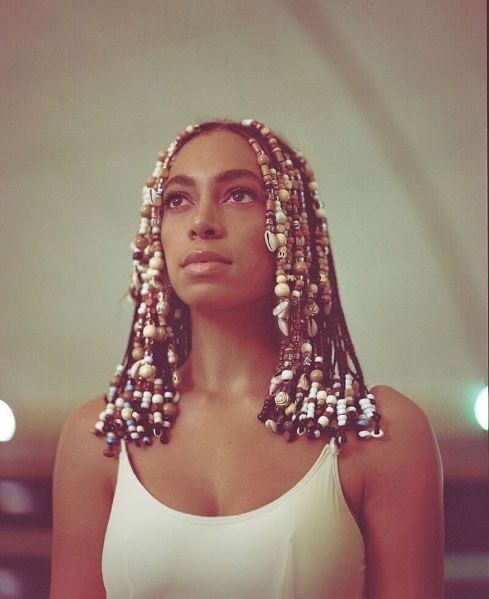
The impact of Solange isn’t just for us in the present moment. She’s shaping how future generations of minorities will think about culture. She’s carving out a lineage where Black art is expansive and unboxed.
Her influence encourages young people across the globe to make art that isn’t watered down for mainstream approval. It teaches them that their own voices, dialects, and aesthetics are valid. And it plants seeds for global solidarity. A kid in South Africa, a teen in Brazil, a student in the UK—they can all feel part of the same cultural web through her.
This is the true generational effect: Solange makes us see that our stories belong in history books, museums, and playlists—not as side notes, but as center pieces.
Conclusion: The Solange Imprint
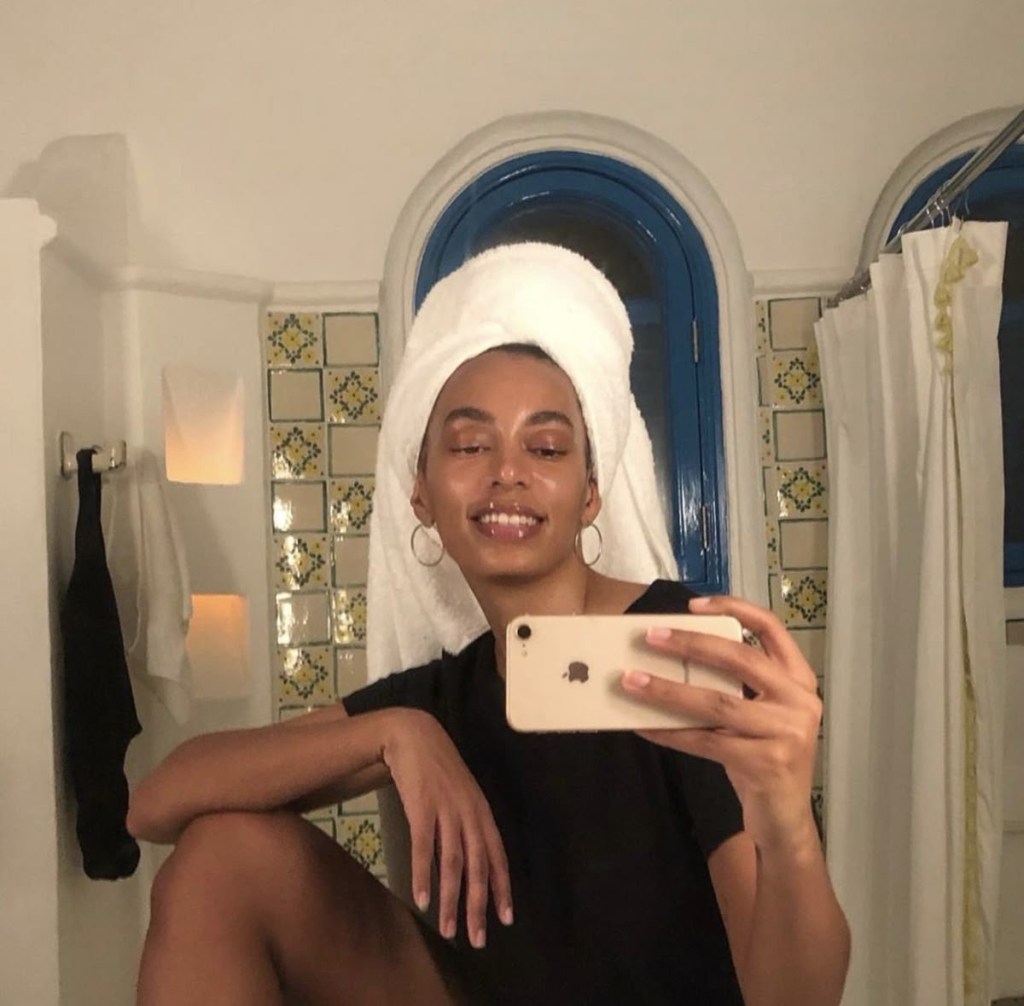
Solange’s cultural and generational impact on Black youth and minorities is undeniable. She gives us more than art—she gives us permission. Permission to feel deeply, to resist differently, to create without apology, to embrace complexity.
For me, she’s a compass for navigating my 20s, a reminder that culture is not something we inherit passively but something we shape actively. And for Black youth globally, she’s a marker in time. When we look back, we’ll see her work as part of the blueprint for how we understood ourselves, how we resisted, and how we dreamed.
The Solange effect isn’t temporary. It’s a permanent imprint on a generation and the next.
see you next week, guys!
Perrine
© 2025 Culture-Anthology
 culture-anthology
Leave a comment