
If there’s one thing I’ve learned about culture, it’s that it never sits still. It bends, reshapes, breaks off and comes back together especially when it comes to subcultures. Whether it’s a music scene, a way of dressing, or an attitude, subcultures never stay frozen. They grow, evolve, split, and sometimes flip into something completely new.
So in this post, we’re talking about how that actually happens how one movement gives birth to another, how scenes branch out and remix themselves depending on the time, place, and people in it. It’s giving cultural evolution, but make it stylish.
Subcultures Don’t Die—They Transform
A lot of people talk about subcultures like they have a start and end date. But honestly? Most of them never fully disappear they just shapeshift. They’re made by people, and people change. What starts off as a reaction to something mainstream becomes its own thing, and then parts of it splinter off into something new.
It’s like cultural DNA some parts carry over, some mutate, and sometimes, a whole new identity is born out of tension or boredom or both.
UK Grime to Drill to Anti-Drill

Subcultures also evolve through sound. Think about UK grime—born in East London from garage, jungle, and hip-hop. It was raw, fast, and real. But then came UK drill. Same roots, different energy. Drill was darker, moodier, and more tied to real-life street politics. Suddenly, a whole new scene emerged—different beats, different codes, even different fashion (Tech fleeces, gloves, balaclavas).
And now? There’s an anti-drill wave. Young people are flipping the sound but changing the message. They’re still rapping, still spitting over heavy beats, but some are consciously rejecting the violence or flipping it on its head. It’s like subversion within a subculture reclaiming something while still being part of it. So much of culture is like that: remix, repeat, resist.
Soft Girls Are Just Sad Girls With Boundaries

Another example that lives in my head rent-free is the shift from sad girl culture to soft girls. Remember peak Tumblr-era sadness? The Lana Del Rey haze, cigarette filters, black-and-white selfies crying about nothing and everything? That era was iconic, but it romanticised mental health struggles in a way that, looking back, wasn’t always helpful.
Then came the soft girls. Same vulnerability, different energy. They swapped melancholia for softness and pastels. Still emotional, still deeply online but with more self-awareness, more boundaries, more self-love. It’s like the sad girls grew up, went to therapy, and started choosing themselves.
Of course, now that whole aesthetic has splintered again clean girls, coquette-core, bimbocore. Some of it’s empowering, some of it’s performative, all of it is fascinating. That’s how subcultures work. They reflect the mood of the moment.
Afro-punk & the Diaspora Reimagined

Now, let’s talk about something closer to my heart: Afropunk. It started as a documentary and morphed into a movement a space for Black punks, alt kids, and creatives to exist outside the “acceptable” versions of Blackness. It was loud, radical, experimental, and stylish. It told the world: “we exist too.”
But as Afropunk became more visible, it also became more commercial. Some people started to feel like it was losing its original edge. So what happened? New cultural spaces popped up. Diaspora kids started making their own digital archives, new collectives, futuristic zines. They took the Afropunk energy and spun it into Afro-digital, Afro-surrealism, Afro-everything. The vibe didn’t die it multiplied.
Why Do Subcultures Splinter?
It’s not always dramatic sometimes people just grow. Other times, it’s because:
- The original scene gets co-opted by brands or watered down.
- New voices enter the scene with different politics or perspectives.
- The internet speeds up trend cycles and allows global mashups.
- People want more than one identity. And why shouldn’t they?
Splintering isn’t a failure—it’s proof that something was real enough to spark change.
Culture-Anthology Is a Space Between the Splinters
This is exactly why I started Culture-Anthology. It’s a home for those of us in-between things. Between scenes, between aesthetics, between identities. I’m not here to gate-keep culture I’m here to unpack it, honour it, and vibe with it.
Whether we’re talking Black punk kids in Berlin, queer voguing crews in Paris, or TikTok girls creating aesthetics out of thin air there’s always something new happening in the margins. And that’s where I want to be.
Final Thought: Culture Never Stays in One Shape
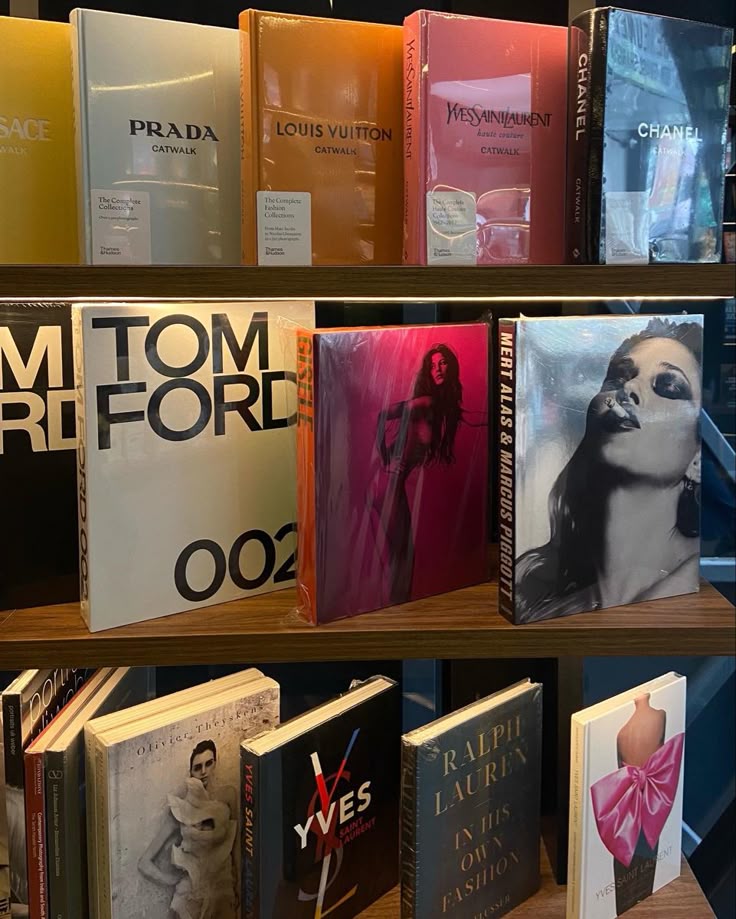
If you ever feel like the scene you’re in doesn’t fully fit anymore, that’s okay. Maybe you’re not meant to stay in one version of yourself forever. Culture doesn’t. Subcultures splinter because people outgrow them, or want to imagine something new. That’s what keeps things alive.
So yeah next time someone says a subculture is “dead,” just smile. You probably already know what it’s evolving into.
see you next week guys!!
© 2025 Culture-Anthology. All Rights Reserved.
 culture-anthology
Leave a comment