Reclaiming Beauty: How African Features Are Reshaping Fashion
Let’s get one thing straight: African beauty has always been iconic. Full lips, rich skin tones, broad noses, tightly coiled hair, intricate beadwork, facial scarification, headwraps—none of this is new. What is new, however, is how these features and aesthetics are finally being centered, celebrated, and embraced in global fashion and beauty conversations. Not just as a trend, but as the new standard. As something worth celebrating because it exists not because it’s been repackaged by someone else.
As someone who has moved through spaces that haven’t always seen the fullness of African beauty, I know what it means to feel invisible, or worse exoticized. But right now? It feels like the narrative is shifting. From the pages of Vogue to viral TikToks, African beauty is not just having a moment. It’s reclaiming its rightful place.
The Rise of Dark-Skinned Models: Not a Trend, a Revolution

We can’t talk about this without talking about Anok Yai. The South Sudanese-American model made headlines in 2017 when a photo of her at Howard University’s Homecoming went viral. That one image changed the game. Within a year, she was walking for Prada and breaking records as the first Black model to open a Prada show since Naomi Campbell in the 1990s.
Anok’s beauty is magnetic—her deep, luminous skin, sharp bone structure, and almond eyes don’t conform to Eurocentric standards. They defy them. But with visibility came controversy. People online argued over whether her look was “too” unconventional or overly editorial. But that’s the point: what the world once deemed “unconventional” is exactly what makes her iconic. Her existence in high fashion spaces is resistance. It’s reclamation.
And she’s not alone. Models like Nyakim Gatwech, Duckie Thot, Adut Akech, and Alek Wek (an OG!) have pushed past the idea that only light-skinned or mixed-race Black girls are marketable. They are dark-skinned, African, and themoment. It’s not a coincidence. It’s a movement.
Natural Hair and the Power of Texture
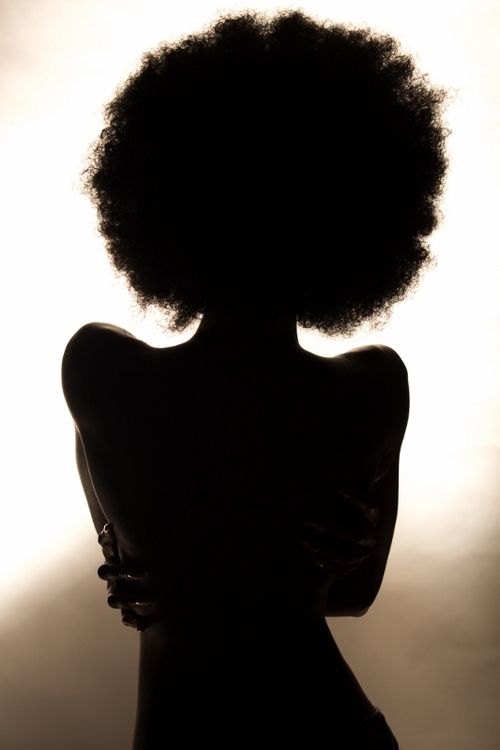
Gone are the days when straight hair was the ticket to being considered “presentable.” Whether it’s 4C curls, bantu knots, locs, or bald heads, Black hair in all its glory is finally on runways, in campaigns, and splashed across billboards. And let me be honest it’s about time.
We’re seeing major beauty campaigns with models rocking their coils unbothered. Celebs are stepping onto red carpets with styles inspired by traditional African grooming, and more people are rejecting perms and weaves in favor of embracing what grows from their scalp.
Social media has played a huge role in this. Instagram and TikTok have created entire communities around hair care, protective styles, and loving your texture. We’re seeing baby girls watching their older sisters and aunties oil their afros with pride. We’re seeing brands scramble to catch up.
It’s not just hair. It’s heritage. It’s protest. And it’s powerful.
Traditional Adornments: From Heritage to High Fashion

Let’s talk about the drip for a second. African cultures have been using adornment to tell stories for centuries. Cowrie shells in braids. Beaded necklaces that reflect tribal lineage. Gold and brass jewelry with spiritual meaning. Face paint, henna, headwraps, kente cloth. We been doing this.
Now these aesthetics are popping up everywhere—from editorials to fashion week. The difference now is that we’re seeing more African creatives at the center of this shift. Designers, stylists, and makeup artists from the continent and diaspora are leading the way.
Instead of being appropriated and stripped of meaning, these adornments are being worn with intention and pride. The goal? To shift the gaze. To stop looking at African beauty through a colonial lens, and instead see it as art. As ancestral. As ours.
Social Media: The New Mirror
If fashion is the stage, then social media is the mirror—and the revolution is televised, honey. Instagram, TikTok, Twitter (I’m not calling it X, sorry!) have all become spaces where African beauty is not only visible but viral. And the people in charge of this shift? Young Africans and members of the diaspora who are not waiting for permission to be seen.
We have content creators breaking down skincare for melanin-rich skin, models creating high-concept editorial shoots from their bedrooms, and makeup artists blending tradition and innovation in ways that global brands are now copying.
The best part? The community claps back. Hard. When a brand crosses the line into appropriation or ignores Black beauty standards, the internet responds with receipts, memes, and calls for accountability. It’s giving power to the people.
Beyond the Runway: Beauty As Healing

This conversation is bigger than aesthetics. It’s about how beauty ties into healing generational wounds. For centuries, colonialism, slavery, and colorism told us our features weren’t good enough. That we had to bleach, straighten, or hide to be worthy.
Now, we’re witnessing a cultural detox. A new era where African girls look in the mirror and see the standard. Where beauty isn’t filtered through whiteness but defined by fullness, richness, and depth.
And no, it’s not perfect. We still have miles to go in making sure this representation is authentic and not tokenistic. But we’re on the right path.
Final Thoughts: Beauty Without Permission
African beauty doesn’t need to ask for space. It is the space. And as we continue to take up that space—on runways, on timelines, on magazine covers—we’re rewriting the beauty bible.
To every Black girl who was told her nose was too big, her skin too dark, her hair too coarse—look around. We’re winning. Slowly, loudly, stylishly.
This isn’t about validation from the West. It’s about reclaiming what’s always been ours. Beauty rooted in history. In resistance. In joy.
And this time, we’re not dimming our shine.Let it glow. Let it coil.
see you next week guys!!
© 2025 Culture-Anthology. All Rights Reserved.
 culture-anthology
Leave a comment